How to Avoid Fake Discounts in Korea
A Practical Guide for Foreign Travelers (Korea Grand Sale Edition)
Korea is famous for shopping deals, but not every “discount” is real.
During large events like Korea Grand Sale, most offers are legitimate—yet fake or misleading discounts still exist, especially in tourist-heavy areas.
This guide explains how fake discounts work,
how foreign travelers can spot warning signs,
and how to shop safely without ruining the trip.
For the full planning guide, visit the main hub:
👉 Korea Grand Sale 2026: Official Shopping & Travel Guide

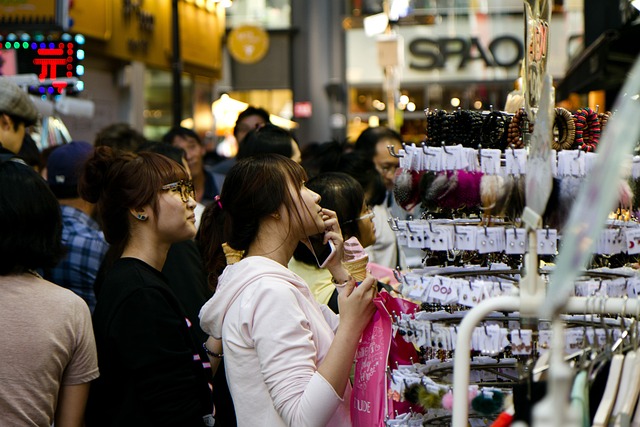

What Is a “Fake Discount”?
A fake discount is not always illegal.
In many cases, it means:
- Prices were raised before a “sale”
- Discounts apply only to limited items or sizes
- Conditions are hidden in fine print
- The “original price” is unclear or inflated
The result: shoppers believe they are saving money when they are not.
Why Foreign Tourists Are More Vulnerable
Foreign travelers are easier targets because they often:
- Are unfamiliar with normal price ranges
- Have limited time to compare stores
- Feel pressured by “today only” promotions
- Trust English signs without verification
Fake discounts rely on urgency and confusion, not force.
Common Types of Fake Discounts in Korea
1. Inflated Original Prices
Stores display a high “original price” that was never actually used, then offer a large “discount.”
Warning sign:
- No price history
- No comparable pricing in other stores
2. Store-Only “Special Sale” Claims
Some shops claim a discount is exclusive to their store, even when the price is standard elsewhere.
Warning sign:
- “Only here” or “Last chance” messaging
- No brand-wide promotion
3. Selective Discounting
Only unpopular colors, sizes, or old inventory are discounted, while popular items remain full price.
Warning sign:
- Most items excluded
- Discounts apply to very limited stock
4. Confusing Tax Refund Claims
Some stores mix “discount” language with tax refund explanations, making prices appear lower than they really are.
Warning sign:
- Unclear final price
- Staff unable to explain refund process clearly
Areas Where Caution Is Needed
Fake discounts are more likely in:
- Tourist-only shopping streets
- Small independent fashion stores
- Shops without clear pricing labels
- Stores that avoid written receipts
This does not mean all such stores are dishonest—but extra caution is required.
How to Verify a Real Discount
1. Compare Prices Quickly
Check:
- Nearby stores
- Online platforms
- Official brand websites
If prices are similar everywhere, the “discount” may not be real.
2. Ask Simple, Direct Questions
Ask:
- “Is this discounted everywhere?”
- “What is the final price after tax?”
- “Does this include tax refund?”
Vague answers are a red flag.
3. Look for Official Sale Indicators
Real promotions often include:
- Brand-wide signage
- Clear sale periods
- Consistent pricing across locations
Major department stores and official events are safer.
Safe Shopping Places for Foreign Travelers
To minimize risk:
- Department stores
- Duty-free shops
- Official brand stores
- Major platforms and flagship stores
These places rely on reputation and transparency.
Are Online Discounts Safer?
Generally, yes.
Online platforms:
- Show price history
- Display clear terms
- Offer written confirmation
However, always check:
- Cancellation policies
- Final price with taxes and fees
Common Tourist Mistakes
Foreign travelers often:
- Buy impulsively due to pressure
- Trust discount signs without comparison
- Skip receipts
- Assume all sale periods guarantee real savings
Slowing down saves money.
Smart Shopping Strategy During Korea Grand Sale
A safe and effective approach:
- Decide what you want before shopping
- Compare prices briefly
- Shop at trusted locations
- Treat extreme discounts with skepticism
Real discounts don’t require rushing.
Summary: Awareness Beats Discounts
Korea offers excellent shopping value, especially during Korea Grand Sale.
But the best protection against fake discounts is basic awareness, not expert knowledge.
If a deal feels rushed, unclear, or too good to explain properly,
it is usually not as good as it looks.
Smart shopping leads to better memories—and fewer regrets.


